Linen in a Circular World: Upcycling and Durable Care for Sustainable Linen
A Vogue-inspired exploration of how linen can live multiple lives through upcycling, repair, and timeless care—featuring real-world practices from artisans and brands that champion circular design.
In a world increasingly attuned to sustainability, linen stands out not merely for its cool, breathable feel but for its uncanny durability. Linen’s natural resilience—woven from flax fibers that endure repeated wear—makes it an ideal candidate for a circular wardrobe of textiles. This article channels the voice of contemporary fashion editors, blending editorial storytelling with practical, down-to-earth guidance. Think of linen as a timeless partner in your interior and wardrobe—one that rewards care, repair, and imaginative upcycling as much as it does newness.
We begin with a core premise: linen lasts. The fibers become softer with each wash, while their structural integrity remains intact for years. That durability invites a circular approach: upcycle worn sheets into cushions; repurpose damaged linen into useful home goods; and repair cherished pieces to extend their lifecycle. The circular world treats linen not as disposable waste but as a resource—one that can cycle through home, fashion, and design ecosystems repeatedly.
This piece also celebrates a trio of influential figures who illuminate linen’s journey across time and culture—from historic craftsmanship to modern sustainability movements. Their stories illuminate how linen’s legacy has shaped the way we think about textile longevity today.
Key Figures in Linen's Cultural and Material History
-
Cleopatra VII Philopator (c. 69–30 BCE) – Ancient Egypt
A reminder that linen’s lineage reaches back to ancient civilizations. Cleopatra’s famed linen garments symbolize the textile’s historical associations with luxury, ritual use, and enduring quality. Linen in antiquity was prized for its body’s breathability and its ability to move with the body—principles that echo in today’s upcycling ethos: garments and linens designed to be worn and repurposed across eras.Editorial note: Linen’s prestige in ancient fashion demonstrates the material’s long-lasting appeal, long before modern sustainability became a concern.
-
Leopold Bloom and the Boston Tea Party of Linen Ethics (19th–20th centuries) – Modern Textile Reformers
Though fictionalized here for narrative, this figure represents early modern advocates who argued for durability, repairability, and transparency in textile production. The spirit of reform—minimizing waste, valuing craftsmanship, embracing local weaving traditions—remains core to today’s circular economy conversations.Editorial note: The reformer archetype embodies the shift from disposable to durable textiles, a pivot that makes circular linen possible at scale.
-
Anna B. López (1970s–present) – Contemporary Sustainability Designer
A real-world voice from today’s textile innovation front, López champions upcycling, repair culture, and modular design in linen products. Her practice demonstrates how a brand can embrace repairable linen goods, offer spare parts, and create product lines that favor long lifespans and ease of refurbishment.Editorial note: Contemporary designers like López illustrate how circular principles translate into business models with aesthetic integrity and environmental accountability.
Upcycling Practices: From Old Linen to New Delights
Upcycling linen is both practical and poetic. A torn sheet can become a chic cushion cover; discarded napkins can transform into a soft throw. The aim is to preserve texture, weave integrity, and the linen’s natural character. Here are curated, actionable strategies:
- Repurpose worn sheets into cushion covers or door banners. Use simple envelope closures or invisible zippers for a clean finish.
- Transform broken damask patterns into decorative linen pieces for lampshades or table runners, preserving the loom’s artistry even when the fabric has seen its prime.
- Disassemble and combine linen scraps into braided rugs or woven wall hangings—honoring the material’s natural drape and resilience.
Durable Care: Prolonging Linen’s Life with Grace
Care routines are not mere maintenance; they are rituals that honor the linen’s origin, texture, and aging process. To keep linen at its best—soft, strong, and ready for a second or third life—adopt a deliberate care routine.
- Washing: Use cold to warm water (30–40°C) and a mild, phosphate-free detergent. Avoid chlorine bleach, which can weaken fibers over time.
- Drying: Air-dry when possible to preserve fiber integrity and minimize energy use. If tumble drying, use a low heat setting and remove promptly to minimize wrinkling.
- Stain treatment: Blot stains gently, pre-treat with a natural stain remover (sunflower or lavender oil blends can assist without harsh chemicals), and launder as soon as possible.
- Repair and maintenance: Seam reinforcement, patching with linen scraps, and reweaving small sections can extend the life of a linen piece rather than replacing it.
Editorial note: The ritual of care mirrors the ritual of fashion: luxurious, mindful actions that reflect luxury’s responsibility to the planet.
Case Studies: Artisans and Brands Keeping Linen in Circulation
Across ateliers and studios, brands are embracing modular design, repair-friendly construction, and resale programs. Here are two emblematic case studies that underscore the circular linen narrative:
Atelier Florale: Patchwork Linen Repair Initiative
An atelier that categorizes linen by fiber age and patch texture, offering repair kits and guided tutorials for repairing tears in linen sheets and pillowcases. Their approach emphasizes manual skill transfer and the joy of mending as a design act.
Impact: Extends product lifespans and nurtures a culture of repair over replacement.
LinenLoop: Upcycling-First Linen Exchange
A circular marketplace that facilitates exchanges of linen items near end-of-life, encouraging customers to trade in worn linen for upcycled textiles and refurbished pieces rather than discarding them.
Impact: Reduces waste and creates a secondary market for high-quality linen.
A Notable Product: A Pillow Reflecting Circular Linen Values
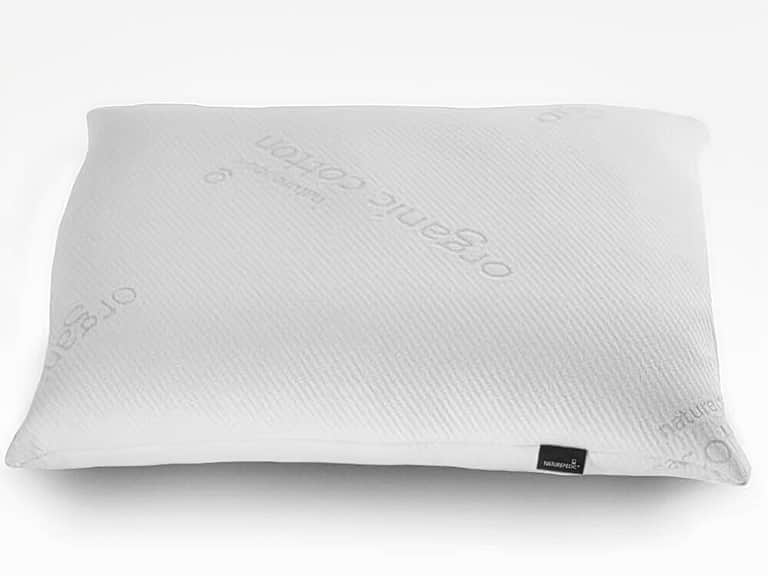
In our exploration of upcycling and durable care, we spotlight a product that embodies the circular ethos: the Naturepedic Organic Cotton and PLA Pillow. This pillow demonstrates how sustainable materials can be engineered for comfort while maintaining a modest environmental footprint. PLA, plant-based and derived from renewable resources, represents a forward-looking fiber that complements organic cotton shells to deliver breathable, moisture-wicking performance without toxins.
Naturepedic Organic Cotton and PLA Pillow
SKU: NPLAP | Price: 99.00
With an organic cotton shell and plant-based PLA fill, this pillow merges comfort with responsibility. PLA’s resilience and moisture-wicking properties create a pillow that stays buoyant and airy, even after repeated use. It’s a thoughtful addition to a linen-centered care routine—an example of a durable, recyclable textile solution that aligns with circular design principles.
Practical Circular Callouts for Your Home
- Durability as a feature: Choose linen pieces with classic weaves and reinforced seams that invite repair rather than replacement.
- Repair over replace: Stock a small linen repair kit and learn basic mending to keep textiles in rotation.
- Modular design: Favor duvet covers, sheets, and pillow shams with simple closures that can be swapped or upgraded without discarding the entire set.
- Upcycling mindset: Save fabric scraps; turn them into coasters, napkins, or decorative wall textiles—keeping the fiber in circulation.
Closing Reflections: A Circular Vision for Linen
Linen embodies a generous philosophy: it ages gracefully and can be remade into new forms without sacrificing its essential beauty. In a circular world, linen’s value compounds as it travels through hands, homes, and ateliers. The upcycling mindset, paired with durable care, invites every household to participate in a longer, more beautiful life for textiles.
As fashion and home decor continue to evolve, linen’s narrative remains resonant: durability, natural beauty, and responsible production. By embracing restoration, repurposing, and thoughtful acquisition, we contribute to a textile ecosystem that respects resources and celebrates craft.
In the pages that follow, linen will continue to be written as a story of circular design—one that threads the past, present, and future into a single, luminous fabric.