Linen and Sustainability: Why Linen Stands Out as a Green Textile

Discover how linen compares to other fabrics in terms of environmental impact, production methods, and longevity. This piece offers practical insights for eco-conscious shoppers seeking durable, breathable textiles rooted in traditional craftsmanship.

A Breath of Fresh Fabric: Linen in the Eco Lexicon

Linen, derived from the flax plant, is more than a textile; it is a narrative woven through history, craft, and sustainability. In a world where the fashion and home-decor sectors contribute significantly to environmental footprints, linen emerges as a standout for those who prize longevity, renewability, and low-resource production. Its cultivation typically requires less water than many cotton varieties, and its pest resistance reduces the need for pesticides. Linen’s end-of-life story is equally compelling: the fiber is biodegradable and can re-enter the soil, closing a circle that many textiles struggle to complete.

This article travels across time and tradition to illuminate linen’s green advantages, while also acknowledging challenges—scalability, standardization, and the importance of responsible sourcing. By centering linen’s lifecycle, we can better understand how a single textile can embody both luxury and stewardship.

Linen in the Sustainability Matrix: Key Metrics

When evaluating textiles, several core metrics guide sustainable choices: water use, chemical inputs, energy demand, and end-of-life outcomes. Linen shines especially in water and chemical dynamics. Flax plants are naturally tough and often require fewer pesticides than many crops, reducing chemical load downstream. The retting, spinning, and weaving stages have historically relied on skilled labor and traditional know-how, which can translate into durable, long-lasting products that outlive many mass-produced alternatives.

Care patterns also influence linen’s ecological footprint. Linen’s resilience means that with proper care—gentle washing, avoiding high-heat drying, and addressing minor wear with simple repairs—it can endure for decades. This longevity simultaneously lowers waste and reduces the frequency of replacement purchases, a cornerstone of sustainable consumption.

Aesthetic and Practical Benefits

  • Breathability and thermo-regulation keep you comfortable across seasons.
  • Natural luster and aging improve with each wash, developing a richer patina.
  • Biodegradable and compostable at end-of-life, aligning with circular design principles.
  • Low susceptibility to pilling compared to some synthetic fibers, preserving a refined look over time.

Production Insights: The Flax Journey from Field to Fabric

The flax journey begins in the field, where climate, soil health, and farming practices shape the fiber’s quality. Sustainable flax cultivation emphasizes crop rotation, organic or integrated pest management, and careful water stewardship. Harvested flax stems are then transformed into long, strong fibers through retting and scouring—an artisanal sequence that, when done with mindfulness, yields linen that is both durable and comfortable.

Modern sustainability narratives celebrate transparency in supply chains. With linen, this means tracing flax from seed to sheet—knowing where the fiber is grown, how mills process it, and how finishing practices impact environmental outcomes. The best linen products emerge from collaborations with farmers dedicated to soil health, mills committed to responsible energy use, and brands that communicate ecological integrity to consumers.

Care and Longevity: Maximizing Linen’s Lifespan

Linen’s durability is legendary, a trait that supports sustainable consumption by reducing replacement frequency. The fiber resists wear and remains visually appealing even after repeated washing. To maximize lifespan, gentle laundering is recommended: use cool or warm water, mild detergents, and avoid high-heat drying. Ironing while damp enhances crispness, but linen’s natural texture also suits a softly rumpled, lived-in look.

In practice, longevity also means embracing minor repairs and upcycling. A linen sheet that develops a small tear can often be mended with simple stitches, preserving value rather than contributing to waste. This mindset—repair, reuse, and respect for the material—echoes the slow-fashion philosophy and aligns with a forward-looking, eco-conscious wardrobe and home.

Practical Linen Care Guide

  • Wash linen on a gentle cycle with a mild detergent.
  • Avoid chlorine bleach; if you must, use non-chlorine alternatives.
  • Air-dry or tumble-dry on low heat to minimize wrinkles.
  • Iron while slightly damp for crisp finish, or embrace its natural texture.

Sustainability Note

Linen’s environmental footprint is nuanced. When compared to cotton, linen often requires less water and fewer chemical inputs across cultivation and processing. Against synthetics, linen’s natural biodegradability is a definitive advantage. However, the overall green score depends on the entire supply chain, including energy use in mills, transportation, and the longevity of the finished product. The most responsible choice is to favor linen sourced from suppliers who prioritize regenerative farming, renewable energy, and ethical labor practices.

Key Figures: Linen in the Tapestry of Time

To appreciate linen’s enduring appeal, we reflect on notable figures who shaped textile culture across eras—each representing a thread in linen’s rich narrative.

1) Hypatia of Alexandria (c. 355–415 CE)

A symbol of learned curiosity, Hypatia’s era reminds us that linen has long held a place in scholarly and intellectual culture. In ancient while linens adorned ceremonial spaces and daily life, the fabric’s presence echoed a civilization’s reverence for craft, knowledge, and the practical elegance of well-made textile goods.

2) Leonardo da Vinci (1452–1519)

Leonardo’s era celebrated a synthesis of science and art. Linen’s role in workshop environments, artist studios, and living spaces echoes the Renaissance spirit of utility meeting beauty. The fabric’s versatility—clothing, drapery, and household textiles—embodies the designer’s inclination to blend function with form.

3) IIeana de Beauvoir (1908–1986)

In the modern era, linen has become a symbol of sustainable living and mindful consumption. Beauvoir’s era advocates for autonomy and ethical choices, aligning with today’s focus on durable textiles, responsible sourcing, and the democratization of luxury through longevity rather than disposability.

Product Spotlight: A Linen-Forward Choice

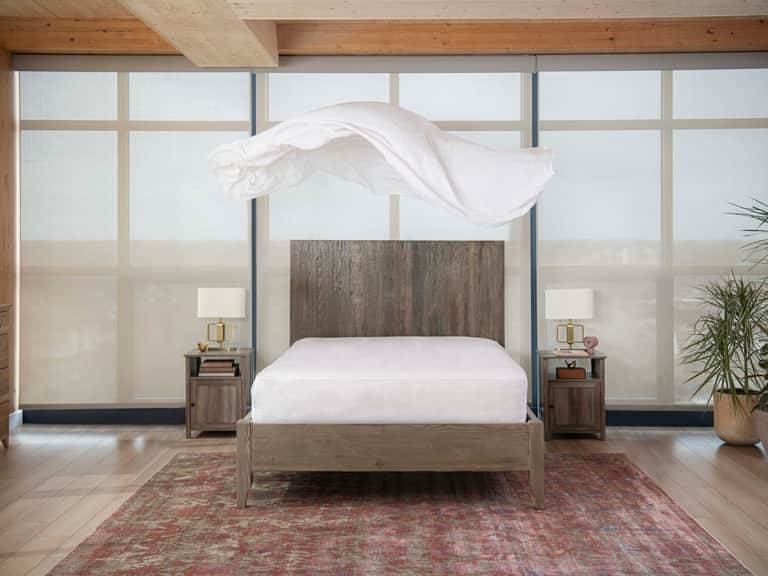
Naturepedic Organic Linen Sheets in Arctic Snow

Naturepedic Organic Linen Sheets

These linen sheets are crafted from premium, certified organic flax grown in France. They pair linen’s breathable, temperature-regulating properties with a robust, stone-washed finish for lasting softness and style. Naturepedic’s commitment to organic materials speaks to an elevated standard of sustainability.

Price: 499.00

Eco Luxury

Note: The linen spotlight above demonstrates the mindful luxury of a linen product that ages gracefully while respecting the planet.

Conclusion: A Green, Graceful Choice

Linen stands as a paragon of sustainable luxury: virtuous in its agricultural footprint, patient in its production, and enduring in its usage. By choosing linen, shoppers embrace a fabric that aligns with ecological values and refined aesthetics. It invites a slower, more conscious approach to sourcing—one that honors craftsmanship, supports regenerative farming, and invites longevity into daily life.

As we navigate a future where sustainability is not a trend but a baseline, linen offers a quiet confidence: beauty that does not demand compromise, and performance that respects both people and the planet. In the pages of fashion and home, linen continues to write a heritage of ethical luxury—one that is as relevant today as it was in linen’s storied past.

For ongoing insights into sustainable textiles and linen-inspired living, subscribe to our newsletter and follow our narrative as it unfolds through trend reports, upcycling tutorials, and artisan interviews.

Join the Sustainability Circle
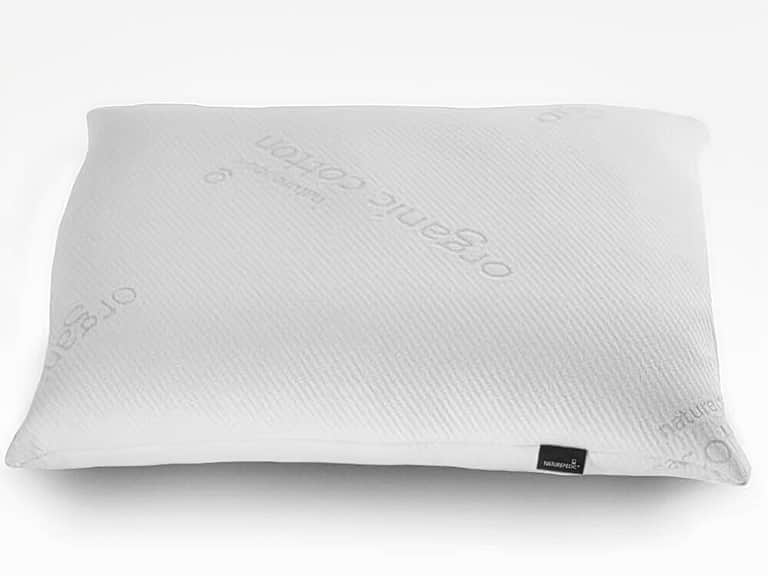
Naturepedic Organic Cotton and PLA Pillow

Experience the comfort of the Naturepedic Organic Cotton and PLA pillow, crafted from soft organic cotton and filled with eco-friendly, non-toxic PLA. Enjoy a fluffy, moisture-wicking sleep without harmful chemicals, knowing you're making a sustainable choice for your health and the planet.

Price: $99.00

View Product
Obasan Deluxe Organic Latex and Wool Pillow

Experience restful nights with the Obasan Deluxe Pillow, combining adjustable support from shredded organic latex and soft, breathable wool. Perfect for side and back sleepers, it keeps you cool and cozy while ensuring your comfort is just right!

Price: $219.00

View Product
Naturepedic Organic Linen Sheets

Experience year-round comfort with Naturepedic's organic linen sheets, crafted from premium flax. Enjoy breathable, moisture-wicking softness in summer and cozy warmth in winter. Elevate your sleep with luxurious, eco-friendly bedding that gets better with every wash.

Price: $499.00

View Product